






The short answer
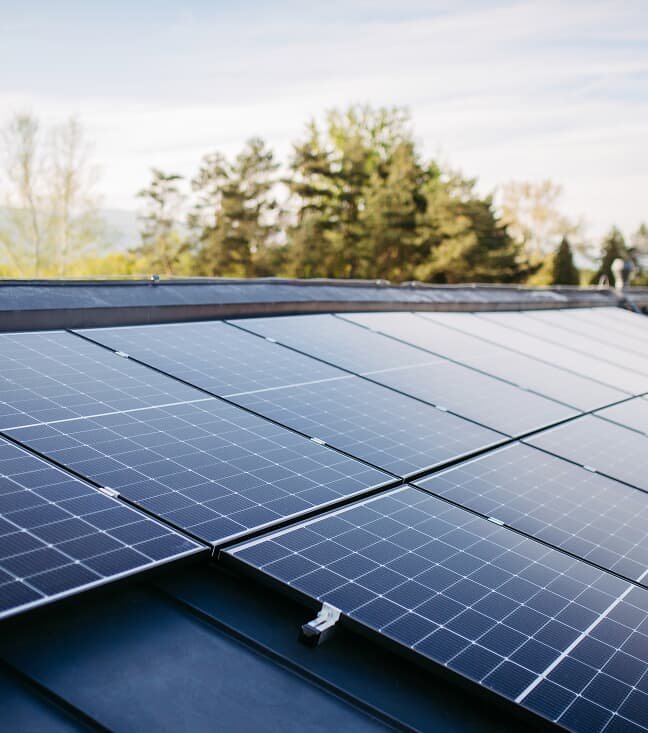
A well-oriented, unshaded roof in Kerala generates about 3.9 units per kilowatt per day averaged across the year: roughly 1,400 units per kilowatt per year. A 3 kW system therefore produces about 4,200 units a year, or around 350 units a month as an annual average.
It is an average, not a monthly figure
That annual average hides a wide swing. February to April are the strongest months in Kerala. June to August, during the south-west monsoon, are the weakest, and October to November dip again with the north-east monsoon. For a 3 kW system the range across the year runs from roughly 190–245 units a month in the monsoon to 390–440 units a month in the dry season.
Why the annual figure is the one that matters
Because of net metering. Units you export in February sit as credit on your KSEB account and offset units you draw in July. You are billed on the net position, so the useful question is what the roof produces over a year, not what it produces in the worst week.
What changes the number on your roof
Two things dominate: how much of the roof stays free of shade between about 9 am and 4 pm, and which way the roof faces. Coconut palms are the most common reason a Kerala roof underperforms its rating. Orientation anywhere from south-east to south-west is good. A site survey measures both rather than estimating them.
What this means for sizing
Work backwards from your KSEB bills, not from the roof. Twelve months of bills show your actual consumption; the roof then decides whether that size fits. We read both before recommending anything.
Related pages
Book a free site survey
One visit, one honest number. If solar is not right for your roof we will tell you. Call +91 799 422 4449, message us on WhatsApp, or request a survey.
Trusted brands. Krafted for you.