





The problem is corrosion, not sunlight
Roofs along the Vembanad backwater belt — Panangad, Kumbalam, Nettoor, Thevara and across the bridge at Aroor — sit in brackish, salt-laden air. That air does not reduce how much electricity the panels make. What it does is attack the metalwork holding them up.
What has to be specified differently
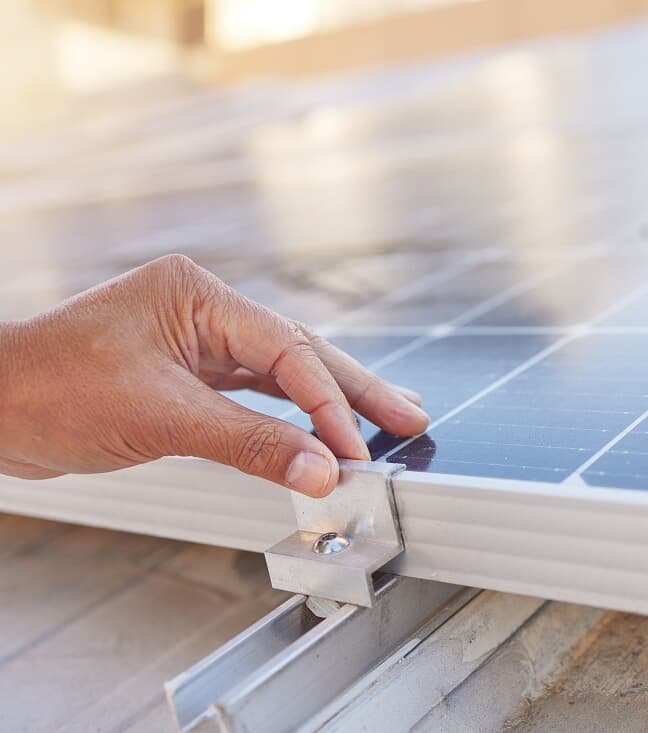
The mounting structure, the fasteners and the enclosures all have to be chosen for that exposure. This is the single most commonly under-specified part of a coastal Kerala installation, and the reason is simple: the consequence is invisible in year one and expensive in year six.
Cleaning intervals change too
Salt film settles on the glass and rain does not fully remove it. As water dries it leaves residue behind. A roof at Kumbalam needs washing more often than the same roof at Tripunithura, a few kilometres inland. It is a recoverable loss, but only if somebody notices, which is what generation monitoring is for.
Wind loading on open water
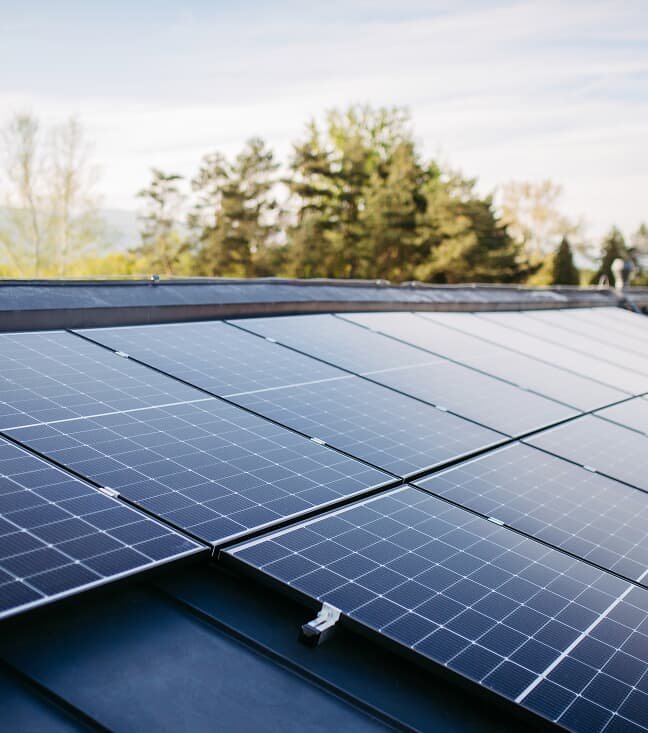
Roofs facing open backwater take more wind than an equivalent sheltered roof inland. Mounting has to be rated for monsoon wind loads, and that matters most on the waterfront plots.
Inland is genuinely easier
Tripunithura, Kakkanad, Kalamassery and Aluva are far enough from open water that ordinary well-specified hardware performs well. It is worth knowing which category your roof falls into before you compare quotations, because the two are not the same product.
Related pages
Book a free site survey
One visit, one honest number. If solar is not right for your roof we will tell you. Call +91 799 422 4449, message us on WhatsApp, or request a survey.
Trusted brands. Krafted for you.